
Your Ultimate Guide to Winning Big With Online Gambling in 2025
Ever wondered if you could enjoy the thrill of a casino without ever leaving your couch? Online gambling lets you play classic games like slots, poker, and blackjack directly through your browser or a mobile app, with real money wins paid straight to your account. You simply pick a trusted site, create an account, deposit funds, and start betting in just a few clicks—plus, you get the freedom to play anytime, anywhere, at your own pace. The biggest perk is the ultimate convenience: no dress codes, no travel, and instant access to hundreds of games right at your fingertips.
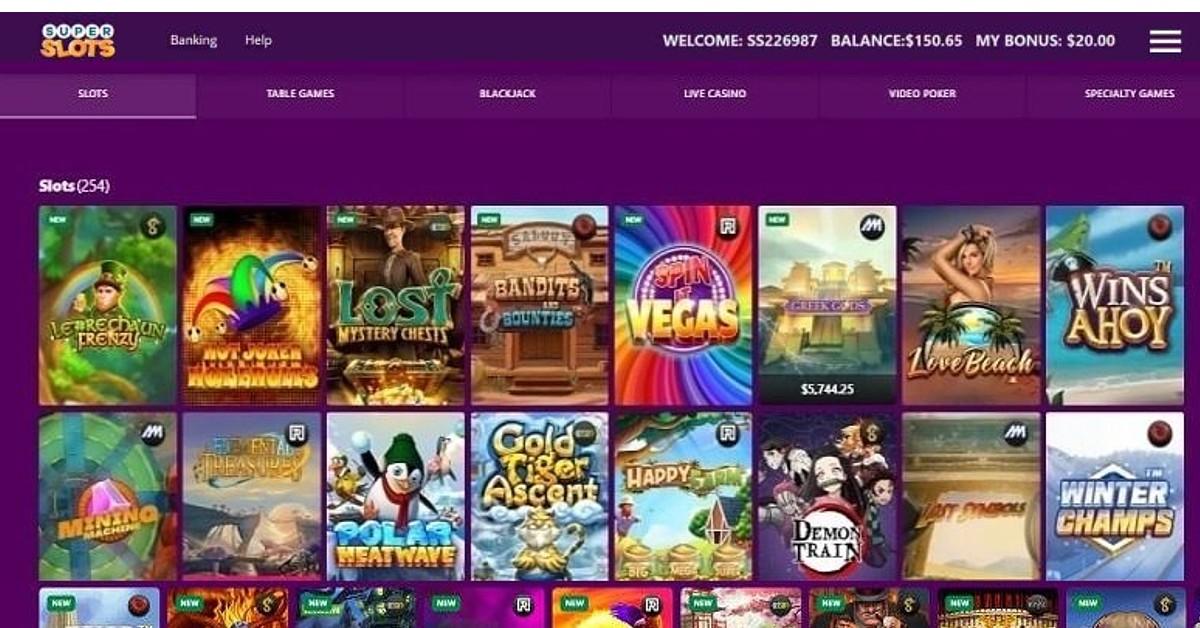
What Exactly Is Online Gambling and How Does It Work?
Online gambling is the act of wagering real money on games of chance or skill through a digital platform, replacing a physical casino floor with a website or app. It works by connecting your device to a remote server that runs the game’s software, using a random number generator to determine outcomes with cryptographic fairness. You deposit funds into a virtual account, place bets, and winnings are credited instantly, with withdrawals processed back to your bank or e-wallet. The core mechanics mirror land-based betting, but the speed is faster — bets settle in seconds, and you control session pacing without dealer pressure. Your account balance is the single source of truth, updated in real time after every spin, hand, or wager. Understanding the house edge on each game is non-negotiable because it directly dictates your long-term loss rate. Bankroll management is your only true defense against that edge. Most losses occur not from bad luck, but from chasing speed over strategy. Every click is a transaction, and each outcome is a discrete event, independent of the last.
Understanding the Core Mechanics of Digital Betting Platforms
Understanding the core mechanics of digital betting platforms begins with the odds-setting and liquidity pool system. The platform aggregates user wagers into a central pool, deducting a built-in margin (the “vig”) before calculating potential payouts. Real-time odds adjust algorithmically based on money flow, not just event probability. Your stake is locked in a digital wallet, and settlement occurs automatically when the platform’s data feed confirms the outcome—meaning payout speed depends on the speed of third-party scoring feeds. A parlay multiplies odds by linking multiple selections into one wager, but a single losing leg voids the entire bet. Cash-out features recalculate your remaining risk exposure mid-event, offering a reduced payout to close the position early. In-play betting re-prices odds every few seconds, creating a dynamic quoting engine that reacts to live game state changes.
Different Types of Games and Wagers You Can Place From Home
From home, online gambling platforms offer a spectrum of wagers spanning virtual casino tables and live dealer rooms to peer-to-peer poker and sports betting markets. You can place real-money wagers on slot spins, blackjack hands, roulette outcomes, and baccarat rounds, each with defined house edges and payout structures. Sportsbooks enable fixed-odds bets on match winners, point spreads, totals, and prop bets across global leagues. Poker rooms host cash games and tournaments with varying blinds and buy-in tiers. Prop bets often carry higher variance than straight wagers because their outcomes hinge on narrow, unpredictable in-game events. Additionally, novelty markets let you stake on non-sporting events like election results or entertainment awards, while virtual sports simulate races and matches with random number generator outcomes.
- Slot wagers: paylines, multipliers, and progressive jackpot stakes
- Table game bets: inside/outside roulette bets and blackjack insurance
- Live dealer side bets: perfect pairs or 21+3 in blackjack
- In-play sports wagers: next goal scorer or live over/under totals
How Do You Get Started With Placing Your First Bets Safely?

To start safely, first choose a single, well-known betting site and create a strict budget that you treat as a non-refundable entertainment cost. Before wagering real money, use the platform’s free demo or play-money mode to learn the bet slip, odds formats, and cash-out functions. Deposit only the minimum amount needed, and enable all available deposit limits and reality checks; never link a credit card. Place your first real bet with a tiny stake on a simple, low-risk market, like match winner, to observe how the process works without pressure. Your first bet’s purpose is purely to test the platform’s withdrawal speed, so immediately cash out a small portion of any winnings to verify the payment path works.
The golden rule is that your initial session ends the moment your budget is gone or you’ve placed three bets—never chase losses.
Finally, log out, ignore all bonus pop-ups, and review your transaction history to confirm no hidden fees were applied.
Step-by-Step Guide to Creating an Account and Making a Deposit
Start by selecting a reputable platform and clicking the bright “Join” or “Sign Up” button. You’ll immediately enter a registration form, where you’ll provide your email, create a strong password, and input personal details like your name and date of birth—this must match your ID exactly for future withdrawals. After verifying your email or phone via a code sent to you, log in and head to the cashier. Choose a deposit method, enter the amount (check the minimum), and fill in your payment details. Finally, confirm the transaction; the funds should appear in your balance within seconds to minutes, ready for wagering. Secure account verification and instant deposit confirmation are the final checkpoints before you place a bet.
In short: sign up, verify your identity, log in, pick a payment method, deposit funds, and confirm—then you’re betting.
Which Payment Methods Are Easiest for New Players to Use?
For new players, the easiest payment methods are those that require no account setup and process instantly. **Debit and credit cards remain the most straightforward option**, as they work exactly like standard online purchases—just enter the card details, confirm the transaction, and funds appear in your betting balance immediately. E-wallets like PayPal or Skrill are equally simple for beginners because they eliminate the need to re-enter card information repeatedly, and most players already have an account. Prepaid cards, such as Paysafecard, require no bank link or verification, making them ideal for absolute novices. The practical sequence for a smooth first deposit is:
- Choose a method you already use daily (card or e-wallet).
- Verify the minimum deposit is low (e.g., $10).
- Confirm the withdrawal method matches your deposit method to avoid delays.
Avoid bank transfers and cryptocurrency initially, as they involve extra steps or value volatility.
What Features Should You Look for in a Quality Betting Site?
A quality betting site must prioritize competitive odds, as even slight margins directly impact long-term profits. Look for a platform with fast payout processing, ideally supporting e-wallets and cryptocurrencies to avoid delays. A robust live betting interface with real-time statistics and minimal lag is essential for active wagering, while cash-out options provide control over open bets. The site should offer diverse payment methods without hidden fees, plus transparent wagering requirements on all bonuses—these often turn generous offers into traps. Reliable customer support available via 24/7 live chat is non-negotiable for resolving deposit or bet settlement issues instantly. Finally, ensure the mobile experience mirrors the desktop version, including full account management and streaming features, because a sluggish app ruins in-play opportunities.
Key Tools Like Live Betting, Cash-Out Options, and Mobile Compatibility
A quality betting site should feel effortless, and that starts with essential betting features for modern punters. Live betting lets you jump into the action as it unfolds, with odds shifting in real-time—perfect if you spot a momentum swing. A cash-out option is your safety net, allowing you to bank a profit or cut losses before the final whistle, which takes the edge off nerve-wracking moments. And none of it matters if the platform isn’t mobile-compatible, so make sure the site or app runs smoothly on your phone, with quick loading pages and intuitive touch controls.
- Live betting should offer dynamic odds and instant updates.
- Cash-out can be partial or full—check which is available.
- Mobile compatibility means no lag, even on slower connections.
How Bonuses and Promotions Actually Work for New Users
New-user bonuses rarely pay out as simple cash; they are structured as wagering requirement traps. You must bet the bonus amount—and often the deposit—multiple times before withdrawal, typically 20x to 40x. Bonus funds also expire fast, sometimes within seven days, pushing rushed bets. Promotions like free bets only return your stake as profit, not the stake itself, so a winning bet converts slowly. Always read the eligible games list; slots count 100%, but blackjack or roulette may contribute 0%. Odds limits further block low-risk betting, forcing you into higher-variance wagers to clear the terms.
A bonus is a loan with a hidden cost—only wager on offers where the playthrough, time limit, and game restrictions match your actual betting style.

What Are the Biggest Benefits of Wagering Online vs. In-Person?
Online gambling’s biggest edge is sheer convenience—you can place a bet from your couch at 2 a.m. without dressing up or driving. The pace is faster: no waiting for a dealer or a seat, just instant spins, hands, or live bets. You also control your exposure, setting deposit limits and stepping away with one click, unlike a casino floor that keeps you surrounded by noise and free drinks. Odds are often better online because overhead is lower, and you can compare lines across multiple sites in seconds. Plus, anonymity is a perk—no one watches you lose or win.
If you value time, control, and quiet, remote wagering beats the physical trip every time.
That’s the real win.
Convenience, Privacy, and Access to a Wider Variety of Games
Online wagering’s primary edge over physical venues lies in how it collapses logistical friction. You skip travel, dress codes, and operating hours, placing bets from a sofa or commute—this **round-the-clock accessibility** eliminates scheduling trade-offs entirely. Privacy is structural: digital transactions and unmarked accounts avoid the social exposure of a casino floor, where fellow patrons or staff observe your bets and payouts. Meanwhile, the game library expands beyond floor-space limits—thousands of titles, niche variants, and progressive jackpots coexist without needing physical cabinets. Together, these three factors shift control to the player: convenience removes time barriers, privacy reduces social risk, and variety ensures you are never locked into a handful of options.
Q: Does online convenience ever compromise game variety, or privacy?
A: Not inherently—platforms often use your location for compliance, but core betting choices remain anonymous. Physical venues, by contrast, force you to accept their limited catalog and visible identity. Online, you switch games in seconds, and private accounts keep betting history only between you and the operator.
How Live Dealer Games Bridge the Gap Between Virtual and Real Casinos
Live dealer games deliver the authentic casino atmosphere without leaving home, merging real-time human interaction with digital convenience. You watch a croupier shuffle physical cards or spin a real roulette wheel via HD stream, while betting through an intuitive interface that feels both familiar and futuristic. This setup recreates the social buzz—chatting with the dealer, observing others’ wagers—that pure RNG games lack, yet retains the speed, lower limits, and privacy of online play. The result is a hybrid experience where the tension of a land-based table meets the effortless accessibility of your couch, making the transition between virtual and physical gambling seamless rather than stark.
How Can You Manage Your Bankroll and Avoid Common Pitfalls?
Effective bankroll management in online gambling begins with allocating a fixed, disposable amount you can afford to lose, then splitting it into session stakes. Set loss limits before every session and stop immediately when hit; never chase losses by increasing bets, as this accelerates ruin. Use the percentage betting method—wager only 1–5% of your total bankroll per wager—to withstand variance. Never dip into funds earmarked for rent, bills, or savings, even after a winning streak. Track every deposit and withdrawal in a log to spot patterns of overtrading. Avoid the common pitfall of “tilting” after a bad beat by taking a mandatory 24-hour cool-off. Finally, treat bonuses best crypto casinos as extra play money, not guaranteed income, and never reload a depleted account impulsively.
Practical Budgeting Tips for First-Time Bettors
Set a fixed amount you can afford to lose before you even open a betting site, and treat it as a sunk entertainment cost. Split this bankroll into smaller daily or weekly units to prevent a single bad streak from wiping you out, ensuring you never chase losses. A key rule for budgeting for online bets is to wager only 1-2% of your total bankroll per event, which keeps your funds sustainable. Track every deposit and withdrawal in a simple spreadsheet, and immediately stop playing once your daily limit is hit, no exceptions.

Set a spend limit, use small unit stakes, and log every transaction to build a resilient bankroll.
Setting Time Limits and Knowing When to Walk Away
Setting time limits is a non-negotiable pillar of bankroll management because it directly curbs chasing losses and prevents fatigue-driven errors. Before you log in, decide on a hard stop—like 45 minutes or a set number of game rounds—and use a physical timer or alarm, not the site’s internal clock. When the alarm rings, **walk away from online gambling immediately**, even if you are winning; a short break resets your decision-making. If you feel frustrated or desperate to recover money, that is your clearest signal to quit for the day. Never cancel a planned stop to “win back” a small loss, as this shifts you into a high-risk mindset.
Q: What is the best trick to enforce a time limit when playing online?
A: Use a separate, loud timer placed across the room and combine it with a pre-written note reminding you that the session is over, no exceptions.
What Should You Do If You Hit a Losing Streak or Have Questions?
When you hit a losing streak in online gambling, the first step is to stop playing immediately. Chasing losses often leads to reckless bets and deeper financial damage, so set a hard time-out or self-exclusion period via your account settings. If you have questions about game rules, payouts, or account issues, consult the casino’s official help center or live chat before wagering again—never rely on forum advice. For strategy doubts, review the game’s paytable and return-to-player percentages to clarify expectations. If emotional frustration persists, contact a responsible gambling support service for free, confidential guidance. Always document your bets and losses to spot patterns, and if the platform is unresponsive, escalate to the licensed operator’s complaints department. Taking a break of 24–48 hours is a practical safeguard against impulsive decisions.
Finding Customer Support and Responsible Gaming Tools on the Platform
When a losing streak leaves you uncertain, your first move is to locate the platform’s **dedicated support hub**, typically found under “Help” or “Contact” in the main menu. Live chat offers the fastest resolution for account or payment questions, while email suits detailed inquiries. Simultaneously, open the responsible gaming section—often a separate tab—to set deposit limits, loss caps, or session reminders before you play again. These tools are not buried; they sit beside support links for immediate access. For quick reference, remember:
- Use the in-site search bar to type “responsible gaming” for direct tool shortcuts.
- Check the FAQ page for step-by-step guides on activating self-exclusion.
- Look for a “Reality Check” pop-up option to track time spent per session.

Understanding Wagering Requirements and Fairness of Games Explained
When a losing streak makes you question the platform, focus on two concrete safeguards: wagering requirements and game fairness mechanics. Before you chase losses, re-read the bonus terms—a 35x playthrough on your deposit means you must wager that amount before any withdrawal, and knowing this prevents you from mistaking locked funds for lost ones. Simultaneously, verify the game’s RNG certification or Return-to-Player percentage; if a slot lists 96% RTP, it’s statistically programmed to return that over millions of spins, not your next ten. If a game feels off, check for a fairness verifier or hash-based provable outcomes—these tools let you confirm each round was random, giving you data instead of panic.